build a successful freelancing business
Join 4,500+ freelancers getting insights and tips into the reality of freelancing (+ see exactly how much I earn each week)
Work smarter, not harder with these freelancing resources
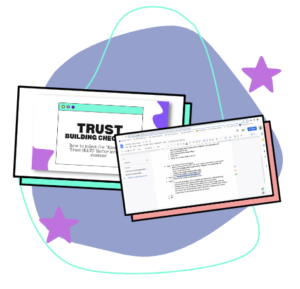
What goes into a £1,000 piece?
Find out the exact process I use to create £1,000 pieces for brands like Shopify, Hotjar, Sprout Social, Klaviyo, and CoSchedule.
Literally watch over my shoulder as I walk you through my content creation process, including research, image sourcing, writing, SEO, and editing.
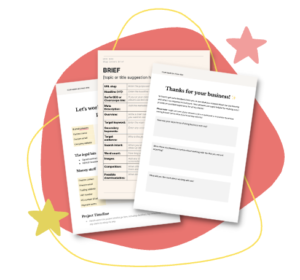
Templates and tutorials for freelancers
Are your systems a mess? Do you struggle to provide a consistent experience for each and every client?
Workflow Wizard is a library of templates, tutorials, and email scripts mapped out in chronological order that you can edit and use to create an AMAZING client experience (and stop yourself from going stir crazy)

Find and keep high-paying clients
The final step to freelance success is finding and keeping dreamy clients month after month. Easier said than done, right?!
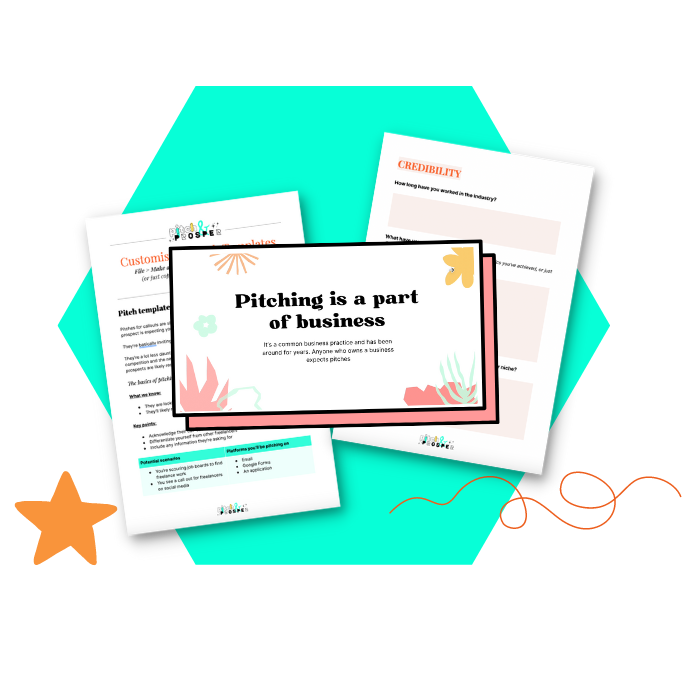
The key is identifying WHO you want to target and strategically reaching out. My Pitch & Prosper program walks you through this process in simple steps.
SIGNATURE PROGRAM
Identify, find, and sign high-paying clients with my successful pitching framework
Do you want:
- A compelling pitch that’s geared towards conversions?
- A step-by-step process to finding an abundance of prospects in a profitable niche?
- A better understanding of what makes the pitching process a success?
- A clear way to build up a prospect list of warm leads that can’t wait to snap up your services?
Learn the mechanics of successful pitching and land bigger, better clients in 2024!
Who runs the show?
Hey, I’m Lizzie! I help budding freelancers create long-term lucrative businesses with actionable content and easy-to-understand advice.
In 2014 I had one month to find enough freelance clients to replace my day-job income after a rash decision to move abroad. I now work half the hours I did in my 9-5, earn three times as much, and spend my days writing for clients I absolutely love!
And I want to show you how this is totally possible for you, too!